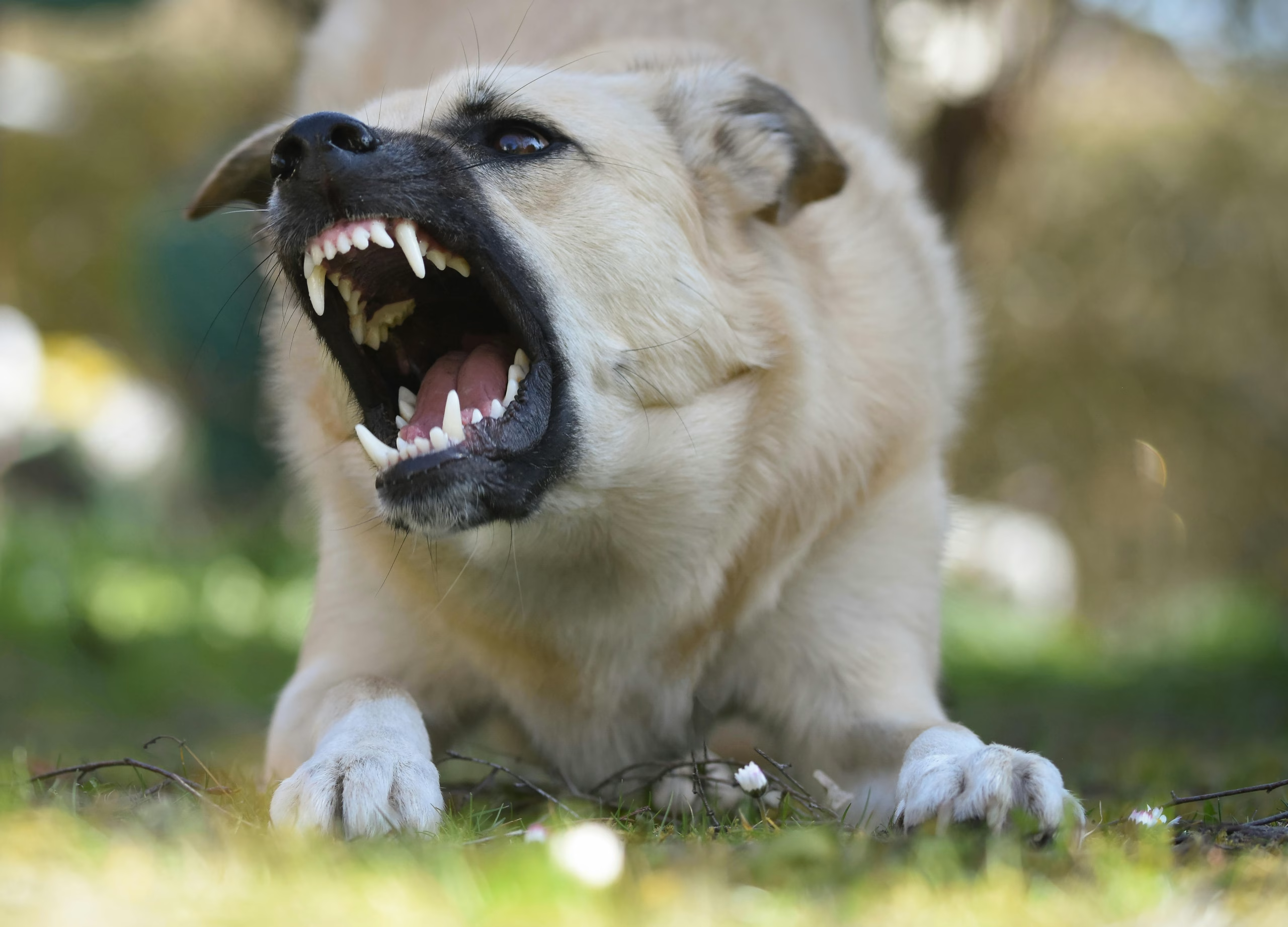
Many dog owners reach out to a dog behaviourist in London only when daily life…
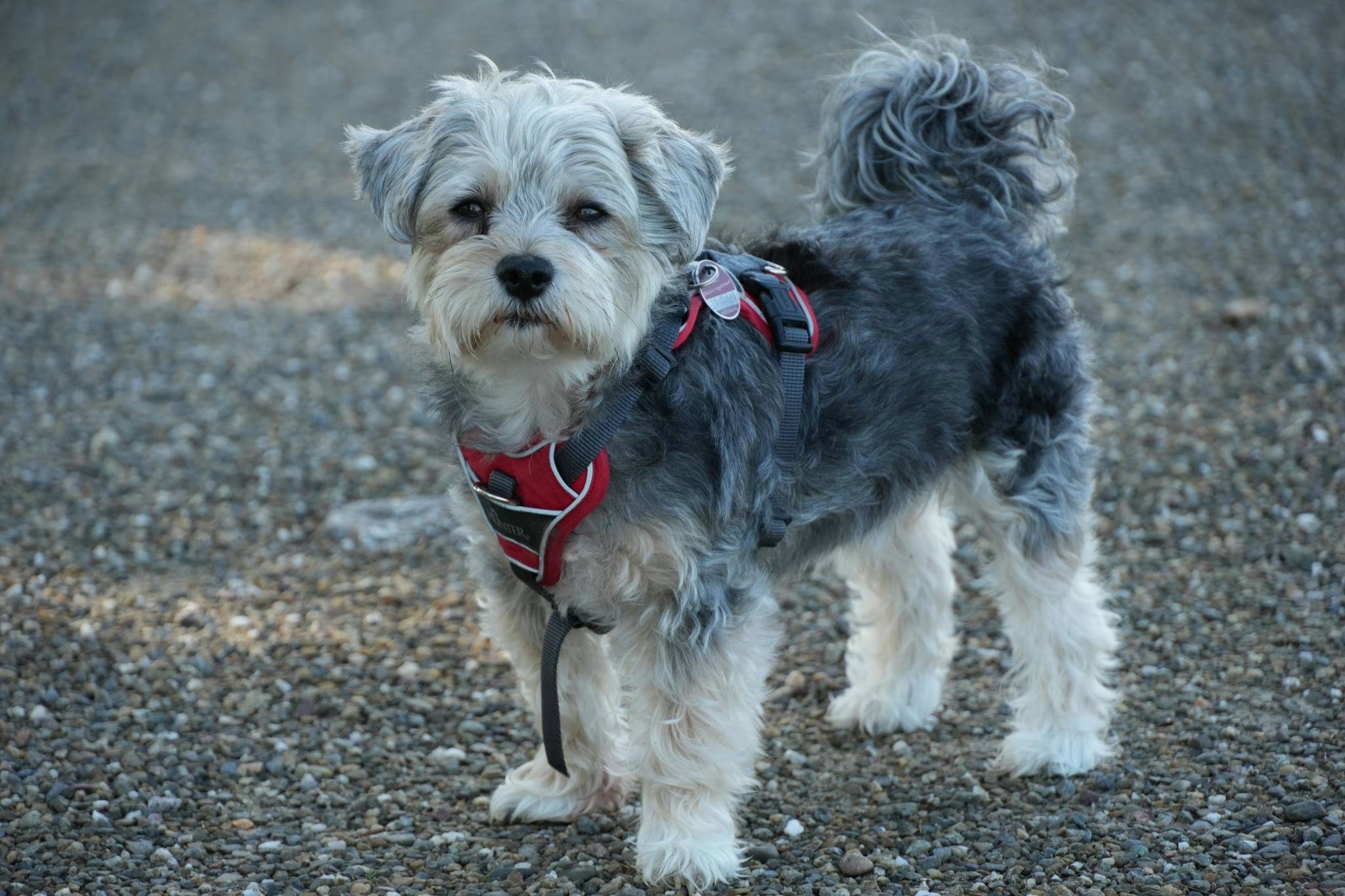
When people search for dog training in London, they often want quick answers. Something like a list of beginner commands or how to stop pulling on the lead. The basics are helpful, but without the right structure, they get forgotten the moment real life kicks in. Dogs do not just learn words. They learn habits, emotional states, and patterns. When you use the basic commands to guide everyday behaviour, you build clarity, not just tricks.
I met a family in South London with a Labrador named Marley. He was friendly, excitable, and completely unreliable with his commands. They had tried videos, online courses, and plenty of Sit and Stay sessions. He knew the commands, but only when it suited him. They said, he knows it, but he does not do it when it matters. The truth is simple. A dog can know Sit but not choose it when their emotions take over. Teaching commands is not just about performance. It is about building calm, reliable habits that work in real life.
Below are ten essential dog training commands for London dog owners. Each one is simple and practical. When used consistently, they help your dog make better choices in everyday life.
1. Teach your dog – Come When Called
Recall is one of the most important commands when training your dog in London parks, fields, and busy urban spaces. Start indoors with no distractions. Call once, and if your dog ignores, gently go to them, guide them back, and praise. The key is to build trust. Only call when you can follow through. Over time, add distractions. The postman, the children running past, the food on the floor. Eventually, your dog learns that returning to you is always the right decision.

2. Teach your dog – Sit
Sit is more than a trick. It is a simple way to create stillness and focus. It gives you a moment of calm during excitement. Hold a treat over the nose, let it move back, and the dog naturally lowers into position. Praise. Repeat. Once they understand the movement, start saying Sit as a cue before they sit. Eventually reduce the treat. Use Sit at the door, before feeding, before greeting someone. It becomes a little reset button for your dog.

3. Teach your dog – Stay
Stay builds patience and trust. Too many people try to rush this command. Start with small steps. Ask your dog to Sit. Hold your hand up and say Stay while stepping back one single pace. Return, praise, and repeat. Slowly build distance and time. Stay teaches your dog to hold their position until released. It creates calmness in busy environments like cafés, vet waiting rooms, or when guests arrive at the door.

4. Teach your dog – Walk to Heel (On Lead)
Heel is about rhythm, not position. You want the lead to be loose and relaxed. Start by standing still. If the dog pulls, do not move. When the lead relaxes, walk on. That teaches your dog that pulling does not lead to progress. Calm connection does. Once that rhythm is established, your walks become smoother. You do not need to pull, correct, or nag. You simply guide the walking pattern.

5. Teach your dog – Heel Off Lead
This always starts indoors or in an enclosed garden. Do not begin in a park. Walk slowly. Change direction often. Reward calm following. You are teaching a habit. Stay close, stay calm, stick with me. If the dog wanders off, change direction. Over time, they naturally follow you. Once that habit is strong, you can start practising in larger spaces. Heel Off Lead is not about control. It is about trust.

6. Teach your dog – Look at Me
In busy environments such as London High Streets, markets, or parks, Look at Me gives you instant focus. Sit in front of your dog. Speak the cue and wait for them to make eye contact. The moment they do, praise gently. Build it slowly. This command helps redirect their attention away from stress or distractions. Instead of panicking at dogs, bikes, or noises, your dog learns to look at you for guidance
.
7. Teach your dog – Leave It
Leave It protects your dog from dangerous objects like food scraps, broken glass, or wildlife. Place a treat in your fist. Your dog will sniff, paw, and lick. Say Leave It once. No repeating, no nagging. The moment they pause and back off, reward from your other hand. The message is clear. Ignoring temptation leads to a better reward. This builds patience and trust.

8. Teach your dog – Stop
Stop is different from Stay. Stop means freeze, right now. Useful near roads, driveways, or cycling paths. Start indoors. Walk with your dog and suddenly stop. Say Stop. If your dog continues, calmly block with your body. Once they pause, reward. Build it slowly. Eventually, when a dangerous situation appears, you can stop your dog without panic or chasing.

9. Teach your dog – Away
Away means step back or give space. Use it when cooking, welcoming visitors, or when the baby is crawling on the floor. Stand facing your dog. Gently point away and say Away. The moment your dog moves even one step, praise. Build it gradually. This command helps create safer and calmer spaces at home. It reduces guarding, jumping, and anxiety.

10. Teach your dog – Off
Off is used for jumping on people, furniture, or counters. Unlike No, Off gives direction. When your dog jumps, do not push or shout. Instead, calmly interrupt by stepping forward. As soon as paws hit the floor, say Off. Pause. Allow your dog to settle. This reduces tension and prevents habits like counter surfing or jumping at guests.

Why These Basic Commands Matter
These are not tricks. They are building blocks for everyday guidance. When used calmly and consistently, they help your dog learn emotional control. They reduce chaos instead of suppressing behaviour. You are not just teaching obedience. You are shaping confidence, safety, and clear communication
.
A London Story that Proves It Works
Marley, the Labrador from South London, used to jump, steal, bark, and bolt to the door when the bell rang. Once his owners started using these commands in everyday moments, everything changed. They did not focus on complicated techniques. They focused on clarity. Sit before the door opened. Stay when guests entered. Away when he wandered into the kitchen space. Look at Me when he felt overwhelmed in the park. Within weeks, Marley was calmer, responsive, and more secure.
Commands did not solve everything. But they gave him structure, safety, and emotional balance.
Final Thoughts
Dog training is not about perfect performance. It is about guiding your dog peacefully through everyday life. These ten commands give you a practical language. The more real life you apply them to, the more natural they become.
If you need help with your dog’s separation anxiety training, check out these links:
Dog Behaviourist London – Book a Consultation: https://www.dogtraininginlondon.com/dog-behaviourist-london
Understanding Dog Behaviour Videos: https://www.dogtraininginlondon.com/understanding-dog-behaviour-videos
Private One to One Dog Training in London: https://www.dogtraininginlondon.com/private-one-to-one-dog-training-london
Return to Home Page: https://www.dogtraininginlondon.com.