Many dog owners reach out to a dog behaviourist in London only when daily life…

Bringing home a rescue dog is one of the most rewarding experiences you can have, but it also comes with challenges, especially in a busy city like London. For many rescue dogs, this is their first time experiencing household life, unpredictable city noises, or regular human contact. The first two weeks are the most important part of their adjustment. It’s what behaviourists often call the decompression period—a time to let the dog unwind, feel safe, and begin trusting their new environment before any formal training begins.
London can be overwhelming for a newly rehomed dog. Buses hiss, sirens echo, and strangers pass within inches on narrow pavements. Even the air is packed with unfamiliar scents. For a dog who’s just left a kennel, these constant stimuli can trigger anxiety or confusion. The key to success is slowing everything down. Focus on safety, calm routines, and building trust. Once those are in place, progress happens naturally.
Here are 10 essential tips to help your rescue dog settle in safely and calmly during those first two weeks in London.
1. Secure boundaries so the dog is safe
Before doing anything else, check every boundary, door, and gate. Rescue dogs are often disorientated, and a single unexpected noise can send them running. In central or west London, where traffic is constant, that can end in disaster. Make sure your garden fencing is solid and high enough that your dog cannot jump it. Secure any gaps beneath gates, and fit self-closing latches if possible.
For those living in flats, take special care at the front door. Many escapes happen when someone opens the door to deliver a parcel or greet a visitor. Use a baby gate or internal door to create a safe buffer zone.
Safety reduces the need for constant management. Once a dog realises their space is secure, they can start to explore more confidently. Calm exploration is one of the first signs that they’re beginning to decompress.

2. Keep contact to a minimum to avoid over-nurturing and let them decompress
Your instinct may be to give endless affection, but most rescue dogs need the opposite—space and calm observation. Imagine stepping into a completely new home with strangers after months in a kennel. The dog needs time to observe, sniff, and process.
Move gently, speak quietly, and avoid constant eye contact or direct approach. Let your dog choose when to interact. This slow rhythm helps regulate their nervous system and stops dependency from forming too early.
Over-nurturing can lead to anxiety, especially when left alone. The best early gift you can give is patience. Over time, your dog will start to seek contact naturally, which signals trust rather than reliance.

3. Provide a comfortable bed—and understand the benefits
A proper bed isn’t a luxury; it’s part of emotional recovery. Many rescue dogs have slept on concrete or old blankets in noisy environments. A soft, supportive bed tells them that life has changed. Place it somewhere quiet and stable—not in a high-traffic hallway or near a draughty door.
Dogs are territorial by nature, and a personal space helps them feel ownership and control. This space becomes their emotional anchor during the early days. When your dog chooses to rest there voluntarily, it’s a sign they’re beginning to feel at home.
You can even use scent to help the transition. Placing a worn t-shirt or familiar-smelling blanket in the bed can reduce anxiety. Over time, the bed becomes the dog’s safe retreat, helping them self-soothe when uncertain.
4. Access to water and quality food
Hydration and nutrition are often overlooked during the early days. Some rescue dogs are so anxious that they barely eat or drink at first. Keep a bowl of clean, fresh water available at all times and refresh it regularly.
When it comes to food, quality matters. Many rescue dogs arrive undernourished or with sensitive stomachs. Avoid cheap supermarket kibble full of fillers and additives. Look for slow-cooked or cold-pressed food that’s easy to digest, or speak to your vet about transitional diets.
Feed in a calm area of the home and avoid standing over the dog or staring while they eat. Eating is a vulnerable act, and some rescues can guard food out of insecurity. A peaceful feeding routine encourages calmness and builds early trust.
5. Get quality chews to reduce stress
Chewing is more than a pastime—it’s a biological stress reliever. It activates the parasympathetic nervous system, releasing endorphins and helping dogs regulate themselves emotionally.
Good options include yak bars, natural rabbit ears, or gently dried meat strips. Avoid cheap rawhide or heavily processed chews, as they can splinter or upset the stomach. Rotate chews daily to keep them interesting.
Offer them in the dog’s safe space, ideally while you sit quietly nearby. This creates calm association and shows that being near you isn’t always about interaction—it can mean peace and comfort.
6. Consider herbal support for the first few weeks and beyond
Some dogs arrive in a highly anxious state and benefit from gentle herbal supplements during the decompression period. Calming blends with ingredients like valerian, chamomile, or L-theanine can take the edge off stress without causing drowsiness.
Sprays and diffusers such as Adaptil can also help, particularly in busy homes. They mimic the pheromones a mother dog releases to calm her puppies. These small aids don’t replace structure or leadership, but they can help reduce background tension and make settling easier.
Always consult your vet before introducing anything new, especially if your dog has medical needs or is on medication.
7. Choose a quiet sleeping environment
Sleep is the foundation of emotional stability. A dog who doesn’t rest properly can’t think clearly or regulate their emotions. In London, the constant background noise of traffic, sirens, or neighbours can make it difficult for new dogs to relax.
Choose a room where noise and footfall are minimal—perhaps an inner hallway or bedroom corner. Keep the lighting soft, and avoid moving the bed around. Dogs thrive on predictability, so let them return to the same sleeping spot every night.
You’ll know your dog is settling when you see longer, deeper sleep patterns. A dog who can sprawl out and sigh heavily in their sleep is showing real signs of security.
8. Plan your dog’s exposure and avoid over-exposure
London life is full of stimulation—buses, cyclists, dogs off-lead in Hyde Park, food stalls, and children running. For a rescue dog, even a short walk can be a sensory overload. Early exposure should be calm and controlled.
Start with very short walks in quieter areas or side streets. Observe your dog’s body language carefully: tension, yawning, scanning, or pulling can all indicate stress. If they show signs of discomfort, turn back before things escalate. It’s better to finish early on a calm note than push too far.
Over time, increase duration and variety. Allow your dog to observe rather than engage. Standing quietly at a distance and watching the world teaches them that new sights and sounds are safe. By week two, many dogs can begin exploring busier areas, but always progress at their pace.
9. Use a non-slip harness
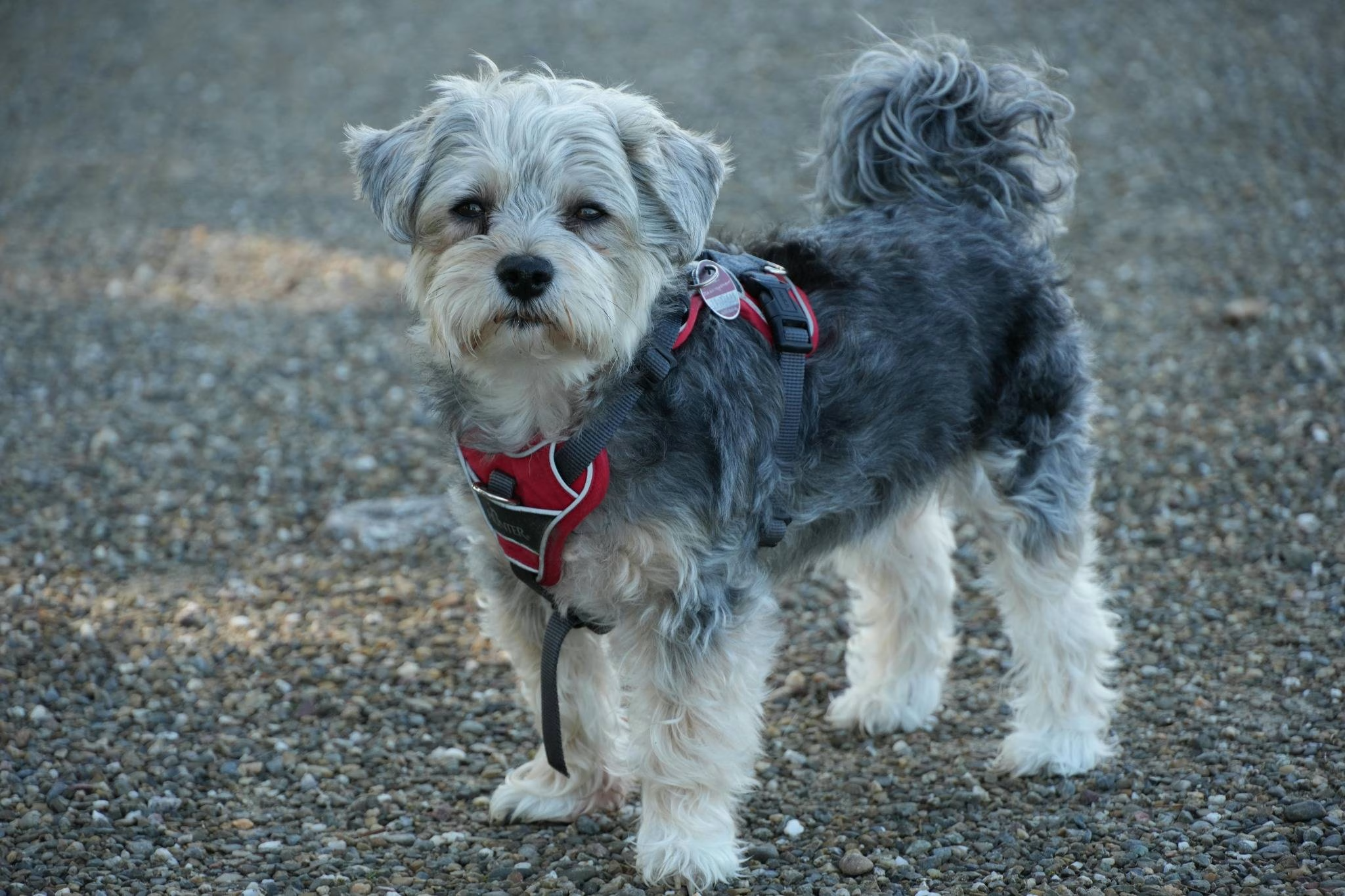
Safety equipment is vital. Standard harnesses can be escaped from easily if a frightened dog pulls backwards. A properly fitted non-slip harness provides both comfort and security.
Look for one with two clip points—one on the chest and one on the back—so you can guide the dog gently without creating pressure or panic. Avoid retractable leads in the early stages, as they can cause sudden jolts or loss of control.
The right harness not only prevents escape but also communicates calm leadership. When your dog feels secure in the equipment and senses steady handling, it reinforces their trust in you as their guide through the environment.
10. Utilise a support network
Adopting a rescue dog can be emotionally demanding. Many new owners underestimate how draining the first fortnight can be. A dog adjusting to city life might cry at night, struggle with separation, or show nervous behaviour around new sounds. Having a support system helps you manage this without frustration.
Ask a friend, family member, or neighbour to be on standby if you need to step out. For dogs showing signs of separation anxiety, having another person nearby for short periods can prevent panic from escalating. Some people also find joining local rescue dog groups in London helpful, both for moral support and advice.
Your own calmness and consistency are what your dog relies on most. If you become stressed or impatient, they’ll pick up on it instantly. Use your network to help maintain balance, so you can continue leading with clarity.
Monitoring Progress
Each dog decompresses at their own pace. Some settle in days, others take months. What matters is steady improvement. Watch for changes in posture, appetite, and willingness to explore. A relaxed tail, open mouth, and willingness to rest are positive signs.
If progress stalls or regressions appear—such as growling, hiding, or destructive behaviour—take it as information, not failure. It simply means the dog’s emotional load has reached its limit. Ease off, simplify routines, and reduce exposure for a few days before gently rebuilding confidence.
Keeping a short log of your dog’s reactions can help you identify patterns and track progress. Note how they respond to different noises, environments, and people. Over time, this will show you where to focus your next steps.
Life Beyond the First Two Weeks
Once your rescue dog feels safe, you can begin introducing more structure. Start with short, positive training sessions built on calm leadership and clear communication. Keep walks purposeful but relaxed, focusing on guidance rather than control.
London has many excellent spaces for calm exposure once your dog is ready—Hyde Park, Battersea Park, and Hampstead Heath all provide balance between open space and sensory variety. The key is never to rush. Allow your dog to absorb new experiences one layer at a time.
Remember that your dog’s behaviour will mirror your energy. If you move through life calmly and consistently, they’ll begin to do the same. Every rescue dog carries a past, but your approach in these first two weeks determines whether that past continues to define them or becomes a memory they can leave behind.
If you need help with your dog’s training or reactivity, check out these links:
Dog Behaviourist London – Book a Consultation: https://www.dogtraininginlondon.com/dog-behaviourist-london
Understanding Dog Behaviour Videos: https://www.dogtraininginlondon.com/understanding-dog-behaviour-videos
Private One to One Dog Training in London: https://www.dogtraininginlondon.com/private-one-to-one-dog-training-london
Return to Home Page: https://www.dogtraininginlondon.com